|
|
|
Geography of Food
The Geography of Food looks at the global pattern of food production and consumption. It reveals a complex pattern of global connections. The map of the Geography of food shows a pattern that reflects the dominance of developed countries over developing countries. The map reveals the deeply layered connection between food innovation, its production, transportation, retail and consumption but hides the many environmental and human costs. It shows how agribusiness and supermarkets produce and import food for year-round consumption but indirectly export drought, soil degradation, groundwater exploitation and human dislocation. It shows how developing countries can be both exporters of food yet importers of food aid. The map of the Geography of food reveals a modern day land grab by agribusiness, it shows how the control of food supply is being gently ripped from the hands of local indigeneous people and placed in the control of the corporation. The map shows a rapid increase in food production alongside a growth in food scarcity. The geopoitics of food is complex. Food security for the rich improves alongside its protection and subsidy. At the same time, food security for the poor declines, perhaps as a result of their governments being advised to reduce their own agricultural support. The Geography of food reveals a paradox and hypocrisy and a power relation that profits the corporations to produce vast amounts of food that the poor and vulnerable will never see.
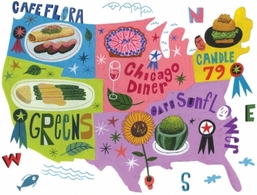
Spatial Patterns of Food
|
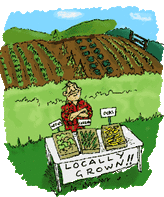
Managing Sustainable Food Supply
|

Food Security and Strategies to Alleviate Food Shortage
|
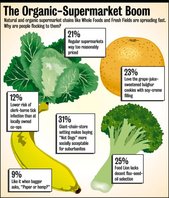
Changing Demand in HICs
|
